April 22, 2026
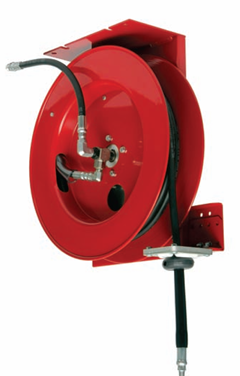
Across industries that rely on fueling equipment—such as construction, agriculture, mining, transportation, and manufacturing—efficiency and safety are not optional. They are essential for keeping operations on schedule, controlling costs, and protecting workers. Equipment used to store, dispense, and manage fuel plays a central role in daily tasks, and the quality of that equipment can directly affect productivity and safety outcomes. This is why investing in dependable fuel reels is more than a convenience; it is a strategic decision that impacts the entire workflow.
When fueling systems are unreliable, every part of the operation feels the impact. Leaks, hose failures, and poorly managed equipment can lead to spills, downtime, and safety hazards. Over time, small inefficiencies can compound into major losses. In contrast, when the right equipment is selected and maintained, teams experience fewer interruptions, greater precision, and a safer environment. The difference between low-quality and high-quality equipment is often reflected in day-to-day performance.
A strong fueling system also contributes to long-term operational stability. Organizations that prioritize high-quality equipment see fewer unexpected breakdowns and more predictable maintenance schedules. This leads to better planning, more accurate budgeting, and reduced emergency repairs. When equipment supports the workflow rather than disrupts it, productivity naturally increases.
How Durable Construction Supports Long-Term Performance
Durability is the foundation of reliable equipment. When machinery is exposed to harsh conditions—extreme temperatures, heavy use, and abrasive environments—only high-quality materials and thoughtful design can ensure longevity. A well-constructed system is designed to handle repeated stress without bending, cracking, or deteriorating prematurely. In demanding industrial environments, equipment failure is more than an inconvenience; it can shut down entire operations.
Quality components are engineered to withstand daily use while minimizing wear and tear. When hardware is built with corrosion-resistant materials and reinforced structural elements, it maintains its integrity even in challenging conditions. This resilience prevents unnecessary downtime and reduces the need for constant repairs. In turn, operations can maintain steady productivity and minimize disruptions caused by equipment failure.
Another advantage of robust design is the ability to maintain consistent performance under pressure. Whether managing heavy flow rates or supporting long hoses, dependable construction ensures stability during operation. Workers can move quickly and efficiently without worrying about equipment strain or failure, which enhances both productivity and safety.
The impact of well-built equipment becomes especially evident in high-traffic environments where multiple workers use the same systems throughout the day. By minimizing the risk of damage and breakdown, durable systems reduce maintenance costs and prevent accidents. This reliability makes a noticeable difference in the overall performance of fuel reels in fast-paced settings.
Durability also contributes to sustainability. Equipment that lasts longer reduces the frequency of replacements and minimizes material waste. Over time, this reduces operational costs and environmental impact. Companies that invest in durable equipment often benefit from lower lifecycle costs and fewer disruptions, creating a more sustainable workflow.
How Improved Safety Features Protect Workers and Equipment
Workplace safety depends heavily on the reliability of the equipment in use. Equipment failures can lead to spills, fires, or personal injuries, especially when dealing with flammable materials. High-quality systems incorporate safety-focused features such as secure locking mechanisms, protective housings, and controlled retraction to minimize risk.
Proper hose management is another critical factor. When hoses are left on the ground or improperly stored, they create tripping hazards and increase the risk of wear. Well-designed systems guide hoses smoothly, preventing kinks and reducing friction. This minimizes the likelihood of leaks or hose damage that could compromise safety.
Temperature resistance also plays a vital role. According to IQSdirectory.com, the operating temperature of a hose ranges from -40°F to 212°F. Systems built with this range in mind are better equipped to handle extreme environmental conditions, reducing the chance of material failure. When equipment can endure temperature fluctuations, it enhances safety for workers who rely on consistent performance.
Beyond protecting people, strong safety features help safeguard equipment itself. Components that prevent uncontrolled retraction or sudden release reduce wear on hoses and mechanical parts. This reduces costly repairs and extends the life of the equipment, making safety a practical investment. These features also contribute to the reliability of fuel reels during frequent use.
Improved safety features also support regulatory compliance. Many industries must meet strict safety standards, and reliable equipment helps ensure that organizations meet these requirements. By reducing risks and supporting safe handling procedures, well-designed systems help companies avoid fines, legal issues, and operational interruptions.
How Operational Efficiency Reduces Downtime and Waste
Efficient operations depend on streamlined processes. Every minute spent untangling hoses, fixing leaks, or repositioning equipment is time lost. When systems are designed for smooth operation, workers can complete tasks faster and with less effort. This efficiency not only increases productivity but also reduces fatigue, improving overall workflow.
One of the most significant efficiency gains comes from controlled retraction systems. These mechanisms allow hoses to retract smoothly and evenly, eliminating tangles and reducing manual effort. This feature saves time and prevents unnecessary strain on workers, making daily tasks quicker and safer.
Efficient equipment also minimizes fuel waste. Leaks and spills can be costly, both financially and environmentally. A secure system ensures that fuel is delivered precisely where it is needed, reducing waste and improving resource management. This level of control supports sustainable operations while maintaining productivity.
When systems operate consistently, teams spend less time troubleshooting and more time focusing on essential tasks. By minimizing downtime and maximizing output, businesses see measurable improvements in workflow. These benefits reinforce the value of dependable fuel reels in operational planning.
Operational efficiency also supports better workforce management. When tasks take less time and require less physical effort, workers can focus on other priorities, improving overall productivity. Streamlined operations contribute to smoother scheduling, improved job satisfaction, and better use of labor resources.
How Consistent Maintenance Supports Longevity and Performance
Even the most durable equipment requires proper care. Regular maintenance ensures that systems continue to operate safely and efficiently. By following recommended maintenance schedules, businesses can identify potential issues early and address them before they escalate into costly problems.
Routine inspections help detect wear, leaks, or alignment issues. When small problems are addressed promptly, equipment lasts longer and performs better. This proactive approach prevents unexpected failures and keeps operations running smoothly.
Maintenance also supports safety. Ensuring that hoses, connectors, and mechanical components are in good condition reduces the risk of accidents. This creates a safer environment for workers and helps maintain compliance with safety standards.
Consistent maintenance not only extends the life of equipment but also improves reliability. When workers can depend on their tools, productivity increases. Proper care ensures that fuel reels remain a dependable part of daily operations.
Maintenance programs also improve long-term financial performance. By extending equipment life and reducing emergency repairs, companies can better manage budgets and reduce unexpected expenses. Planned maintenance is almost always more cost-effective than reactive repairs, making it a smart operational strategy.
Quality equipment is more than a convenience; it is a strategic investment in safety, efficiency, and long-term performance. When businesses choose reliable systems, they reduce downtime, minimize risk, and create a safer working environment. These benefits translate directly into smoother operations and better results.
By focusing on durability, safety features, efficiency, and maintenance, organizations can optimize their fueling systems for maximum performance. Choosing well-designed fuel reels helps businesses protect their teams, reduce costs, and maintain productivity. In environments where safety and efficiency are critical, dependable equipment makes all the difference.
The benefits of investing in reliable systems extend far beyond daily operations. Over time, they contribute to better financial performance, stronger workplace culture, and a reputation for operational excellence. When equipment supports safety and efficiency, the entire organization benefits. Contact Duro Manufacturing, LLC to explore durable solutions designed to improve safety and productivity. Discover how our high-quality fuel reels can support your operation and keep your workflow running smoothly.